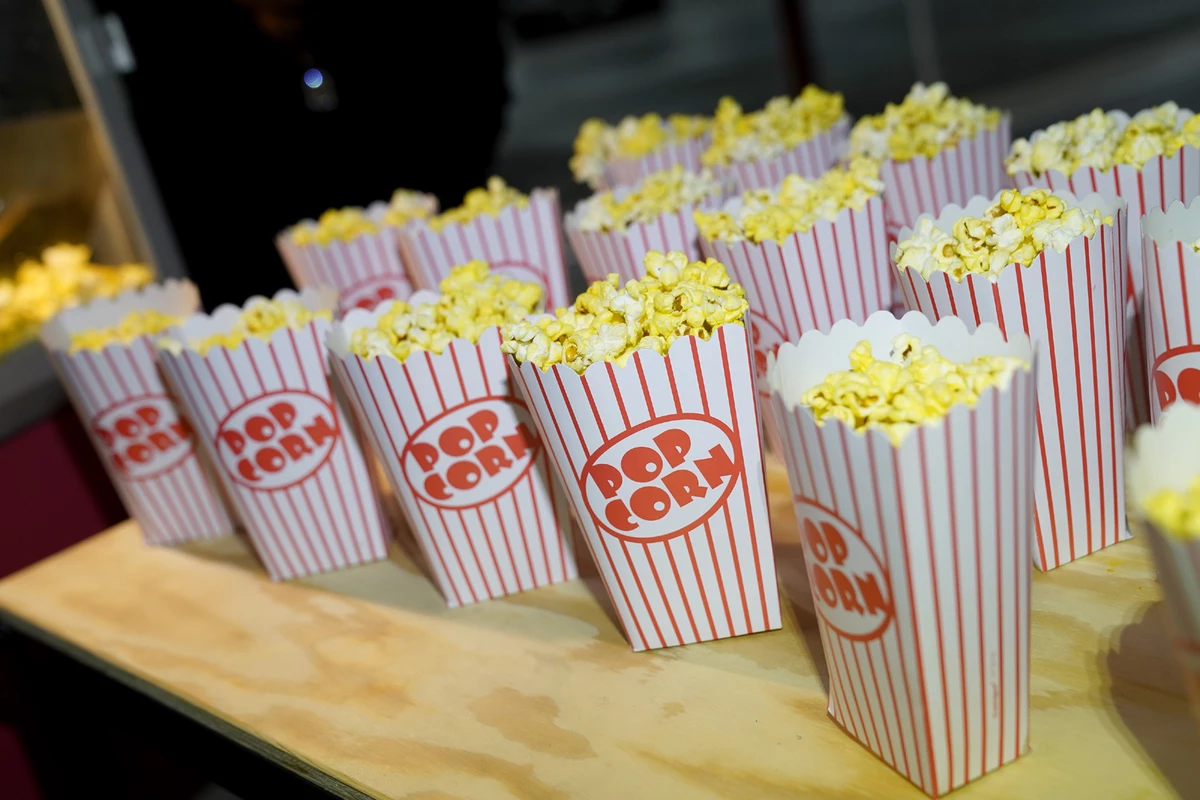
Choosing the Proper Material
Opting an applicable material that can hold popcorn forcefully without rupturing or oohing oil painting is the first stage in creating a popcorn box. Because these accoutrements are strong, environmentally friendly, and suitable for direct contact with food, featherlight cardboard, kraft paper, or food-grade paperboard are most constantly employed. Carpeted cardboard is perfect for designs that need to repel moistness and grease, while kraft paper is particularly well-liked by people who like a rustic or environmentally apprehensive aesthetic. The material selection determines the popcorn box’s life and appearance and is grounded on whether it’ll be used for home gatherings, movie theaters, or marketable quilting. Businesses that skip the research phase and order generic materials often end up replacing their entire stock — investing in properly rated wholesale popcorn boxes from the start saves both money and reputation.
How to Make or Use a Template
The coming step after choosing the material is to produce or download a popcorn box template. Templates are generally shaped like a trapezoid with burned sides, which makes them both aesthetically pleasing and simple to grip. For accurate measures and scalability, a template can be created manually with a pencil and sovereign or created using design software. Fold lines, tabs, and flaps that will be employed to assemble the box latterly on should all be included in the design. This stage guarantees that each box is produced in the same size and shape, which saves time and trouble when producing large amounts or indeed bitsy do-it-yourself systems.
Why Most DIY Popcorn Boxes Fall Apart Before the Movie Even Starts
A vendor I spoke with at a local food fair last summer had spent two weeks perfecting her gourmet caramel popcorn recipe — real brown butter, smoked sea salt, the whole thing. She’d hand-folded about 200 popcorn boxes from plain kraft sheets she bought at a craft store. By the time customers grabbed them, the bottoms were soaking through with oil and half the boxes had gone soft and floppy before people even walked ten steps away. The popcorn was incredible. The box completely let it down. Here’s the thing — a popcorn box isn’t just a container. It’s doing active work the whole time someone’s holding it. It needs to handle heat, grease, and the weight of a full serving without losing its shape or transferring oil onto someone’s hands. And honestly, most people building DIY boxes don’t think about grease resistance until it’s already too late. According to the Paperboard Packaging Council, over 60% of food packaging failures in the snack category come down to material incompatibility — specifically, using paper that isn’t rated for oily or hot food contact. That single oversight can ruin an otherwise great product experience. What most small food vendors miss is that the assembly process only matters if the material is right from the start. You can score perfectly, fold cleanly, and glue every tab with precision — but if your cardboard isn’t food-grade or grease-resistant, none of that careful work protects the product. In my experience, vendors who switched to properly rated popcorn-box-wholesale-suppliers-usa wholesale popcorn boxes stopped dealing with soggy bottoms and customer complaints almost immediately. And for events or retail setups where presentation matters, pairing those with branded custom-food-packaging-boxes-suppliers-usa custom food packaging boxes keeps your whole snack line looking intentional and professional — not like an afterthought assembled the night before.
Material Cutting and Scoring
Once the template is ready, cover the named material with it and precisely cut along the figure. Sharp and clean edges are necessary for tidy assembly and can be achieved with the use of a craft cutter, scissors, or die-cutting machine. To make the crimps easier to bend after cutting out the pieces, score the fold lines using a bone brochure or scoring tool. Scoring guarantees that the popcorn box folds easily into its asked shape and keeps the material from splitting. Because precise slice and scoring insure that the box structure will be sturdy and presentable, this step is pivotal.
Putting the Box Together and Folding It
The popcorn box’s body is created by folding the cloth along the crimps after it has been cut and scored. Fold the side panels over first, also pull the tabs together to cement or interlock them. The maturity of popcorn boxes lock themselves, but for farther strength — especially if the boxes are meant to contain big portions — twice-sided tape recording or a food-safe glue can be employed. Forcefully pressing the crowds gives the box a neat and durable finish by helping to shape sharp corners and edges. After the box is put together, it should be checked to make sure it can hold the weight of the popcorn and stand straight.
Personalization & Decorating
To make a popcorn box more charming, the last step is to add design rudiments and customization. Before assembling, you can publish brand ensigns, vibrant plates, or traditional banded patterns onto the material, depending on the intended use. Adding stickers, lists, or markers by hand is another excellent way to embellish manual or environmentally friendly popcorn boxes. The popcorn can be kept fresher for longer by applying a defensive, food-safe coating on the inside to shield off oil painting. Customization serves as a tool for branding or theme thickness and offers the popcorn box a polished and striking appearance whether it’s employed at a movie night, festival, or retail store. Vendors who combine smart customization with professional custom-food-packaging-boxes-suppliers-usa custom food packaging boxes consistently see stronger brand recognition and repeat customers compared to those using plain unbranded containers.