Introduction
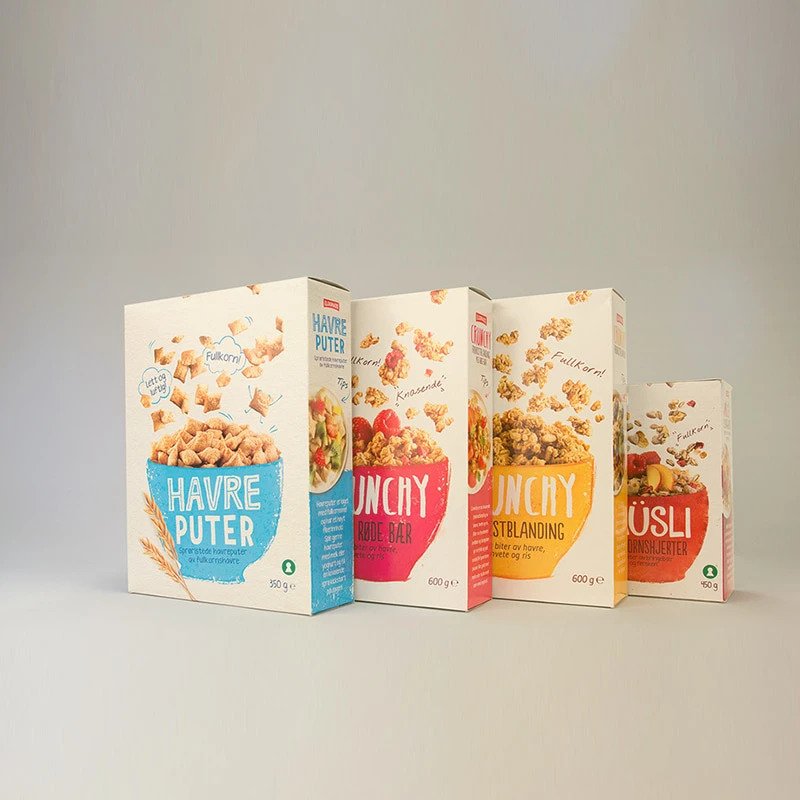
You stand in the breakfast aisle. A colorful array of cereal boxes greets you. You pick one up, a familiar brand. But have you ever stopped to wonder, “How much is in a cereal box, really?” This simple question hides a complex answer involving packaging standards, product density, and consumer expectations. Understanding the contents of your cereal box helps you make smarter purchasing decisions.
The Standard Cereal Box: Weight and Volume
Cereal box sizes appear consistent, but their contents vary significantly. A standard American cereal box typically holds anywhere from 10 ounces (about 283 grams) to 20 ounces (about 567 grams). Larger family-sized boxes reach 30 ounces (around 850 grams) or more. The net weight, printed clearly on the box, specifies the cereal’s actual content.
Density plays a critical role. Puffed cereals, like rice crisps, take up more volume but weigh less for their size. Granola or dense oat clusters weigh more for the same volume. This difference explains why two boxes appearing identical in size contain different net weights. Always check the net weight statement on the packaging to understand how much product you get.
Why Cereal Box Sizes Show Variation
Several factors influence cereal box sizes and their contents. Manufacturers use different packaging strategies for various reasons.
Target Market: Smaller boxes often target single individuals or those seeking variety. Larger boxes cater to families, aiming for value and convenience.
Promotions: Limited-edition sizes or special promotions can alter standard box dimensions and fill levels.
Retail Space: Supermarket shelves have limited space. Efficient packaging design helps manufacturers optimize product display and sales.
Economic Considerations: Ingredient costs, manufacturing processes, and shipping expenses influence the final product size and price point for cereal boxes in USA.
Understanding Net Weight Versus Gross Weight
When you hold a cereal box, you feel its total weight. This total includes the cereal itself, the packaging materials, and any air inside. The crucial figure for consumers is the “net weight.” This number represents only the weight of the edible cereal inside the package. It excludes the box, the inner bag, and any empty space.
Food labeling laws require manufacturers to print the net weight accurately on the package. This ensures transparency. Always look for this detail. It provides the definitive measure of how much cereal you purchase.
The Role of Packaging Design in Cereal Content
The design of a cereal box goes beyond aesthetics. It protects the product, provides information, and influences consumer perception. Muse Custom Boxes, for example, focuses on creating durable and attractive packaging that maintains product integrity.
One common observation is the presence of empty space inside a cereal box. This is not arbitrary.
Settling During Transit: Cereal settles during shipping and handling. This compacts the contents, creating what appears to be empty space when you open the box.
Product Protection: The air acts as a cushion, protecting fragile cereal pieces from crushing.
Manufacturing Process: Filling machines are precise, but some airspace helps prevent spillage and allows for proper sealing of the inner bag.
Brand Protection: Packaging ensures the cereal reaches you in good condition, supporting the brand’s reputation.
Getting the Most From Your Cereal Purchase
Knowing what to look for helps you maximize your breakfast budget.
Read Labels Carefully: Always compare net weights. A seemingly larger box might contain less cereal than a smaller, denser alternative.
Compare Unit Prices: Many stores display the unit price, such as cents per ounce or gram. This allows for direct comparison across different brands and sizes. This is the most accurate way to find the best value.
Consider Bulk Options: Buying cereal in larger bags or containers often reduces the cost per serving. Ensure you can store it properly to maintain freshness.
Check Nutritional Information: Beyond quantity, assess the nutritional value. A box with more servings but poor nutritional content might not be the best choice.
Historical Trends in Cereal Packaging
Cereal box sizes have changed over time. Economic pressures and shifts in consumer habits influence these changes. Sometimes, Custom boxes shrink in size while prices remain stable or even increase. This trend means consumers receive less product for their money. Monitoring net weights over time helps you notice these subtle shifts. Historically, package designers consider shelf impact and logistical efficiency alongside consumer value. The ongoing goal for brands remains balancing these factors.
Enhancing Your Understanding
To truly grasp the dynamics of cereal packaging, consider these visual aids:
Image Suggestion: An infographic comparing the net weights of different cereal types in similarly sized boxes.
Image Suggestion: A diagram illustrating how cereal settles during transport within its packaging.