What are cereal boxes called?
Introduction
Many people ask this when they see colorful cartons on store shelves. This article answers that question, explains design and materials, and offers tips for choosing or ordering cereal packaging for your brand. Muse Custom Boxes appears as an example provider and resource. This guide focuses on factual information and practical steps for anyone researching cereal boxes in USA.
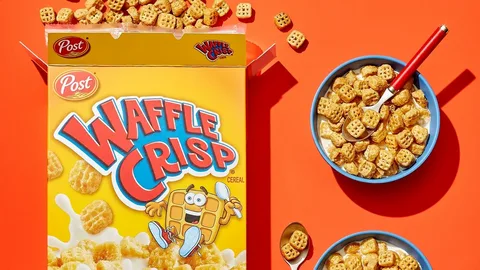
What is a cereal box called A cereal box is commonly called a folding carton. Manufacturers name it a paperboard carton or breakfast cereal carton in packaging catalogs. Folding cartons form by cutting, printing, folding, and gluing paperboard sheets into a rectangular box. Inside, many brands add a polyethylene or metallized bag to keep cereal fresh.
Why the name matters Knowing the correct term helps you find suppliers, materials, and design services. Search terms such as folding cartons, paperboard boxes, and cereal boxes in USA return relevant vendors, specifications, and regulatory information. Muse Custom Boxes uses these terms in product listings to help customers locate proper packaging.
Materials used for cereal boxes
Paperboard: Provides structure, printable surface, and recyclability. Common weights range from 18 point to 24 point paperboard.
Barrier liners: Polyethylene or foil bags inside the box increase shelf life and prevent moisture and oxygen exposure.
Inks and coatings: Water-based or UV inks, gloss or matte coatings protect print and improve shelf appeal.
Adhesives: Hot-melt glue or cold glue holds the box together during fill and transport.
Box styles and construction
Standard straight tuck end
Flaps tuck into the box on both ends.
Common for small to medium cereal packs.
Reverse tuck end
One end tucks from the reverse direction, enabling a cleaner front panel.
Snap lock bottom
Bottom locks into place for heavier fills and automated packing lines.
Shoulder box or display box
Designed for quick shelf placement and better visibility.
Design elements that impact sales
Front panel hierarchy: Brand name, product name, key benefits, imagery.
Nutrition and ingredient panel: Must meet local labeling laws, including nutrition facts and allergen statements.
QR codes and story panels: Use for traceability, brand story, and promotions.
Child-friendly design: Games, cut-outs, or prizes appeal to younger buyers.
Sustainability claims: Recyclable symbols, recycled content percentages, and compostable labels help eco-conscious shoppers.
Regulatory and safety considerations in USA
Nutrition labeling: Follow FDA guidelines for Nutrition Facts and ingredient listing.
Allergen disclosure: Must state presence of wheat, milk, soy, tree nuts, or other allergens.
Advertising rules: Health claims must be verifiable and compliant with FTC and FDA rules.
Packaging safety: Barrier liners should meet food-contact safety standards.
Sustainability and recycling
Paperboard recycling: Most paperboard cartons recycle curbside, separate from plastic bags.
Mono-material designs: Using a single paper-based material simplifies recycling.
Compostable liners: Alternatives to plastics exist, check certification and performance.
Lifecycle thinking: Evaluate source materials, manufacturing energy use, transport emissions.
Choosing the right supplier
Request material specs: GSM, board thickness, and barrier properties.
Sample testing: Ask for mockups and filled samples for drop and shelf tests.
Minimum order quantities: Understand MOQs and lead times for custom printing.
Certifications: Look for FSC, SFI, or other chain-of-custody labels. Muse Custom Boxes lists these requirements when consulting with clients on cereal packaging.
Practical tips for brands
Start with a brief: Define dimensions, fill weight, and retail requirements.
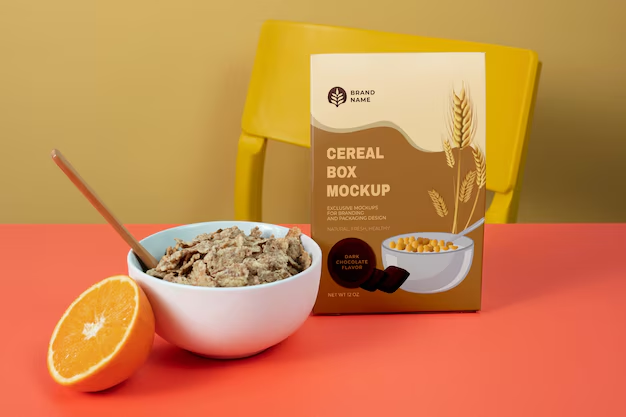
Test artwork on a mockup: Verify color and alignment before full runs.
Optimize dielines: Place critical text away from folds and glue areas.
Choose readable fonts: Small text must remain legible after print and varnish.
Plan for seasonal promotions: Reserve space for stickers or sleeves to avoid reprints.
Printing and finishing options
Litho printing: High quality, consistent color for large runs.
Flexographic printing: Cost effective for high-volume, lower-resolution needs.
Varnish and lamination: Adds protection, choose gloss for vibrant color, matte for subdued look.
Embossing and foil stamping: Adds premium feel for specialty cereal lines.
Cost drivers and budgeting
Print run size: Larger runs lower per-unit cost.
Paperboard weight: Heavier boards cost more and increase shipping weight.
Complexity of dieline: Unique shapes and windows add tooling costs.
Finishes: Specialty coatings and foil increase per-unit price.