Is It Legal to Bring CBD Into the USA? What Travelers and Sellers Must Know
Is it legal to bring CBD into the USA? This article answers that question for travelers, importers, and retailers. You will learn federal rules, state variations, airport screening risks, documentation tips, packaging advice for CBD boxes in USA, and sources for further reading.
Overview of Federal Law
Federal law treats hemp products under the 2018 Farm Bill. Hemp products with less than 0.3% delta-9 THC by dry weight are not Schedule I substances. The Drug Enforcement Administration enforces controlled substances rules. The U.S. Customs and Border Protection enforces import rules.
CBD derived from hemp that meets the 0.3% THC threshold is lawful at the federal level for many uses. CBD derived from marijuana with higher THC remains unlawful under federal law.
Why CBD Packaging Can Make or Break Your Compliance Reputation at Customs
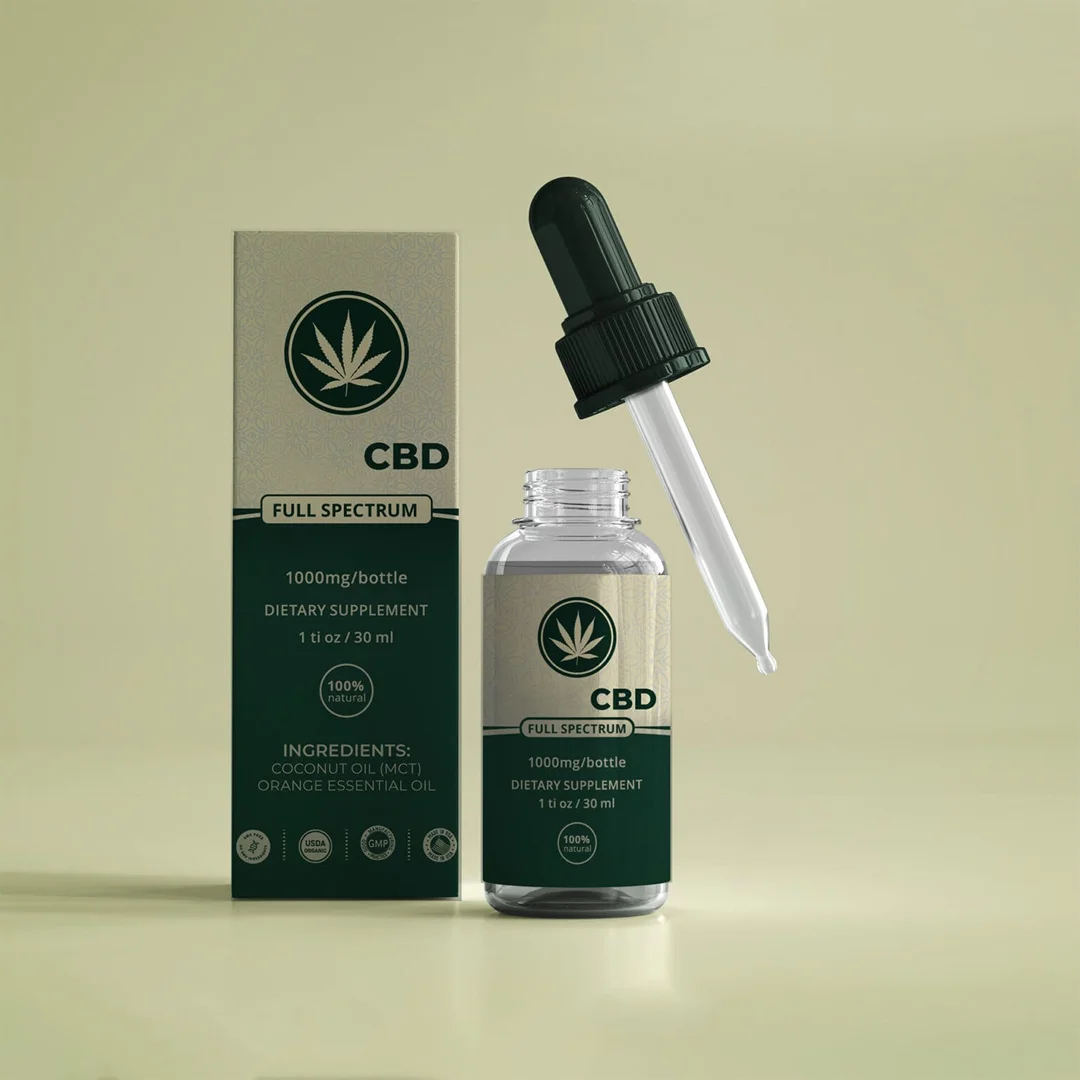
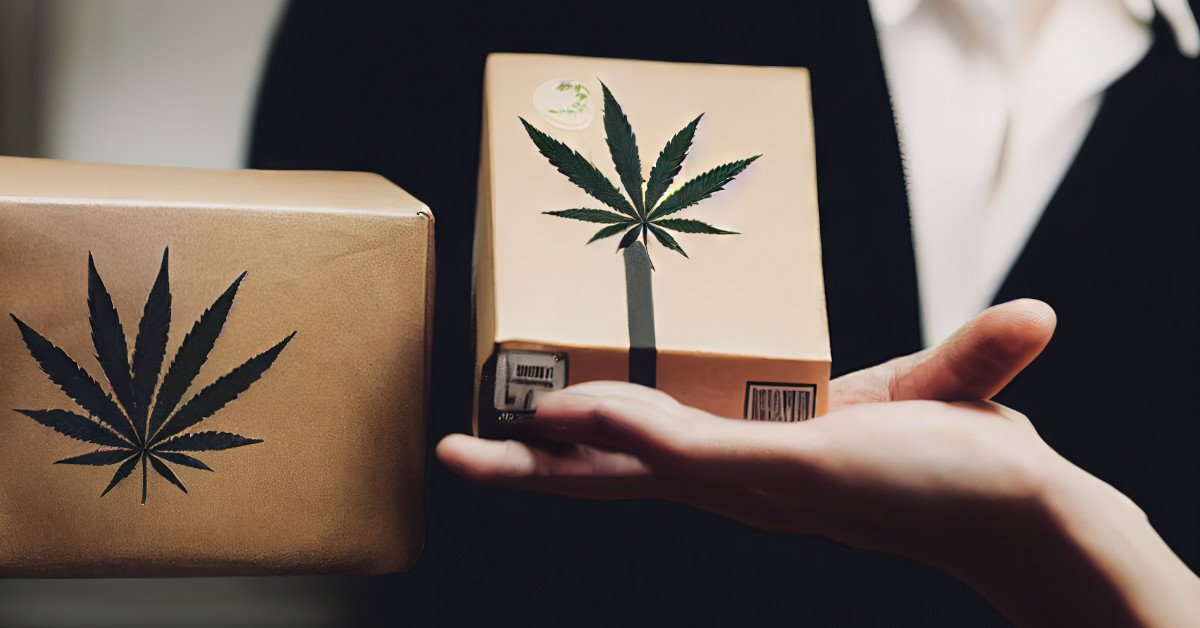
A CBD tincture brand I worked with last year — small operation out of Colorado, doing about $12k a month in wholesale — got three consecutive shipments flagged at a distribution checkpoint. Not because of THC levels. Their COAs were clean, their product was fully compliant. The problem was their packaging. No batch numbers visible on the outer box, no QR code linking to lab results, and the ingredient list was printed in a font so small it was practically unreadable. The inspector had no way to quickly verify the product without opening every unit. That one packaging oversight cost them two weeks of delays and nearly lost them a retail account. Here’s the thing — when your CBD product moves through any checkpoint, whether it’s a USPS facility, an airport scanner, or a customs inspection, the packaging is doing the talking before any human gets involved. And honestly, most CBD sellers treat their box as an afterthought when it’s actually their first line of legal defense. According to a 2022 Hemp Industry Daily report, over 34% of CBD shipment delays in the USA traced back to incomplete or non-compliant labeling — not to the product itself. That’s a staggering number when you consider how easy it is to get labeling right from the start. What most sellers miss is that compliance packaging isn’t just about what’s legally required — it’s about making verification fast and frictionless for whoever’s handling your shipment. Clear batch codes, visible THC percentages, and scannable COA links all reduce the chance of a hold. If you’re sourcing packaging for your products, well-labeled CBD boxes in USA designed with compliance space built in make a real difference at every inspection point. And for brands selling multiple SKUs, keeping your full product range in coordinated custom product packaging boxes with consistent labeling across every unit signals professionalism that regulators and retail buyers both notice immediately.
State Law Variation
States set their own rules for sale, possession, and age limits. Some states allow retail CBD freely. Other states limit forms, require testing, or restrict edible or inhalable products.
Before travel or distribution, check the destination state law. A product legal where you depart might be restricted where you arrive.
Air Travel and Airport Screening Risks
The Transportation Security Administration follows federal law. TSA focuses on threats to aviation, but agents may refer suspected illegal drugs to local law enforcement.
Airport screening may detect THC markers. If a product contains more than 0.3% delta-9 THC, you risk seizure, citation, or arrest.
Carry documentation: lab Certificate of Analysis showing delta-9 THC percentage, product ingredient list, and proof of purchase. Documentation does not guarantee safe transit, but it helps.
International Travel
International borders follow host country law. Many countries prohibit CBD or hemp products regardless of THC level. Bringing CBD into another country risks arrest, fines, or confiscation.
Before travel abroad, consult the embassy or official customs website for the destination country.
Import and Commercial Shipment Rules
Importing commercial quantities requires compliance with U.S. Customs and Border Protection rules and Food and Drug Administration rules. The FDA regulates labeling and food or supplement claims.
Most CBD products marketed as dietary supplements or with therapeutic claims face FDA enforcement. Ensure compliant labeling and avoid disease claims.
Manufacturers and retailers should work with experienced customs brokers and legal counsel when importing.
Packaging and Labeling Best Practices for Sellers
Use clear labeling with ingredient lists and percent of delta-9 THC. Include manufacturer contact information and batch numbers.
Use tamper-evident seals and child-resistant closures where required.
For shipping within the USA, include a copy of the product Certificate of Analysis. Keep records for each batch.
Muse Custom Boxes offers packaging solutions for compliance and branding needs for cbd-boxes-usa-eco-friendly CBD boxes in USA, including space for QR codes linking to COAs.
Quality Control and Testing
Test every batch with an accredited laboratory for cannabinoid profile and contaminants such as pesticides, heavy metals, and solvents.
Keep Certificates of Analysis available for customers and regulators. Store records for multiple years as required by state rules.
Actionable Tips for Travelers
Check the product’s COA before packing.
Confirm the product’s delta-9 THC is below 0.3% by dry weight.
Check state laws for both departure and arrival points.
Pack CBD in original, labeled packaging with COA and receipt.
Avoid flying with oils or vape products if unsure about legality.
If questioned, stay calm and show documentation.
Actionable Tips for Sellers and Shippers
Verify source hemp compliance and traceability.
Use third-party lab testing and publish COAs online.
Use compliant labels, avoid health claims, follow FDA guidance.
Train staff on shipping rules and carrier policies.
Choose packaging that protects the product and displays legal information, such as CBD boxes in USA from Muse Custom Boxes. Brands that invest in well-structured custom-boxes-unique-product-packaging-usa custom product packaging boxes across their full product line consistently face fewer compliance issues and build stronger trust with retail partners.
Consult customs brokers for international shipments.
Common Pitfalls to Avoid
Relying on vendor claims without lab verification.
Assuming federal legality prevents state enforcement.
Shipping products with unclear THC levels.
Making unapproved health claims on labels.