

- Gift & Luxury Packaging
- Luxury Health & Beauty Packaging
- Bakery & Cake Packaging
- Candle Packaging
- Cardboard Packaging
- 4-Pack Bottle Carriers Boxes
- Booklet Printing
- Apparels Boxes
- Corrugated Boxes
- Custom Boxes
- Cardboard Boxes
- Display Boxes
- Greeting/Business/Header Cards
- Hexagon Boxes
- Five Panel Hanger Boxes
- Gable Boxes
- Dispenser Boxes
- Labels & Stickers
- Sleeve Boxes
- Pillow Boxes
- Paper Bags
- Subscription Boxes
- Tuckend Boxes
- Two Piece Boxes
- Window Boxes
- Popcorn Packaging

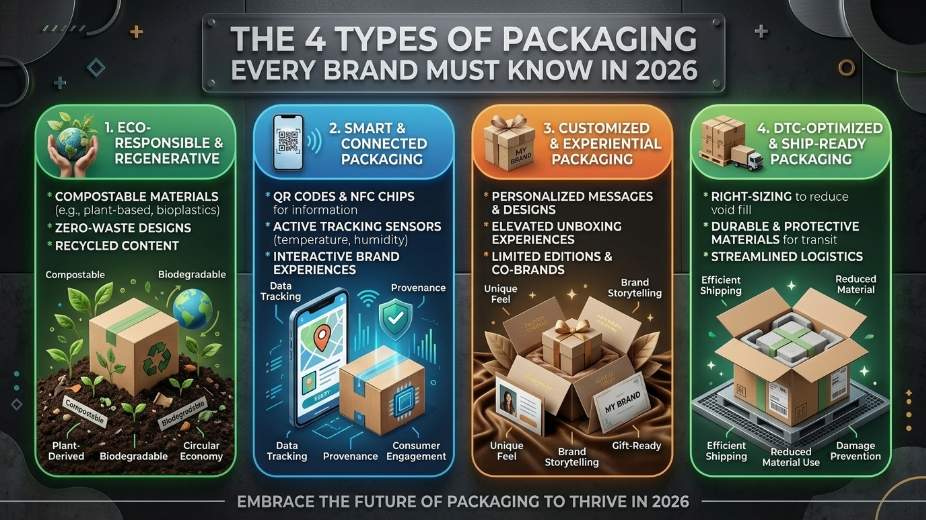
The 4 Types of Packaging Every Brand Should Know
Packaging affects product protection, presentation, cost, and sustainability. If you sell products, you need to choose the right packaging type for safety, branding, and shipping. This article answers the question, What are the 4 types of packaging? and explains each type, use cases, pros and cons, and tips for selecting packaging for products such as CBD boxes in USA from Muse Custom Boxes.
Primary Packaging
Primary packaging touches the product directly. It holds, contains, and helps preserve the item.
Examples
Bottles
Glass bottles for tinctures.
Plastic bottles for topicals.
Blister packs
Single-dose items, pills, small devices.
Pouches
Resealable pouches for edibles.
Jars and tubes
Creams, balms, small goods.
Why primary packaging matters
Protection, it prevents contamination and leakage.
Compliance, it supports labeling requirements and child-resistant features.
User experience, it affects ease of use and perception of quality.
Branding, the package surface serves as the first physical touchpoint.
Actionable tips
For liquids, select tamper-evident closures and inner seals.
For CBD products, include child-resistant features and clear labeling.
Test shelf life under expected temperature and humidity.
Secondary Packaging
Secondary packaging groups primary packages for handling, retail display, and shipping small volumes.
Examples
Folding cartons
Printed boxes for retail shelves.
Corrugated trays
Shelf-ready packaging.
Bundles and shrink wrap
Multipacks for promotions.
Why secondary packaging matters
Retail readiness, it supports barcode placement and point-of-sale display.
Protection during handling, it prevents product damage during transfers.
Marketing, it extends branding beyond the primary container.
Actionable tips
Design secondary boxes to fit retail shelving dimensions.
Use high-quality printing for clear brand messaging.
For ensure regulator-required statements and disclaimers are visible.
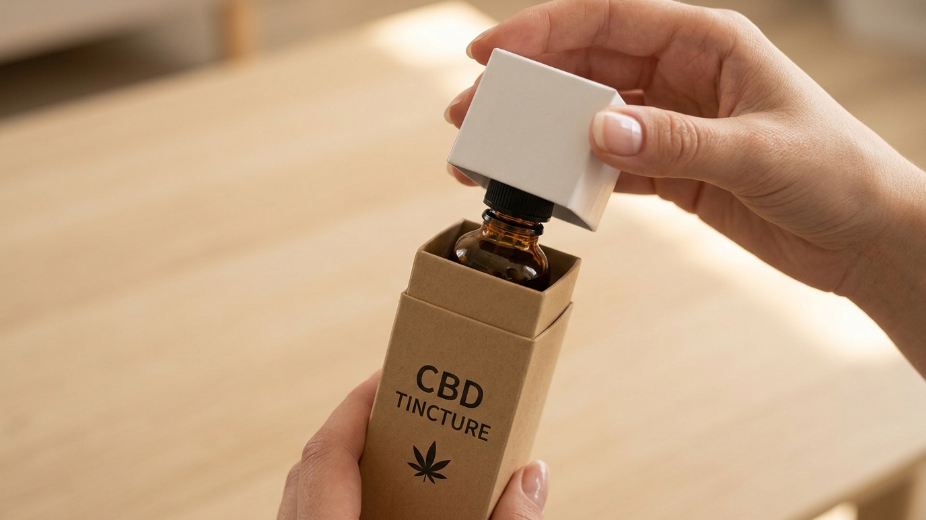
Why Most CBD Brands Lose Sales Before the Customer Even Opens the Box
I worked with a CBD tincture brand last year they had a genuinely good product, third-party tested, clean formula, solid pricing. But their secondary packaging looked like it came off a home printer. No structured carton, no clear labeling, just a plain white box with a sticker slapped on the side. They were selling direct-to-consumer through their own site and couldn’t figure out why their repeat purchase rate was so low. The product was fine. The packaging was quietly killing their credibility. Here’s the thing most CBD brands obsess over their formula and forget that the box doing the selling sits on a shelf or arrives in a mailer before anyone tastes or tries anything. According to a 2023 Ipsos study, 72% of consumers say packaging design directly influences their buying decision. That number doesn’t surprise me at all. I’ve watched brands with average products outsell better ones simply because their packaging looked premium, clear, and trustworthy. And honestly, for CBD specifically, the stakes are even higher. You’re already fighting consumer skepticism and a complicated regulatory landscape. Your secondary packaging needs to work extra hard, it needs to communicate compliance, quality, and brand identity all at once. That means proper labeling, child-resistant callouts, and a box that actually looks like it belongs on a retail shelf. If you’re sourcing your secondary packaging, well-structured CBD boxes in USA give you that professional presentation right out of the gate. And if you’re thinking about your primary layer too, pairing those with quality custom food packaging boxes for your edibles or topicals creates a consistent brand experience from the inside out. Don’t let weak packaging undercut a strong product.
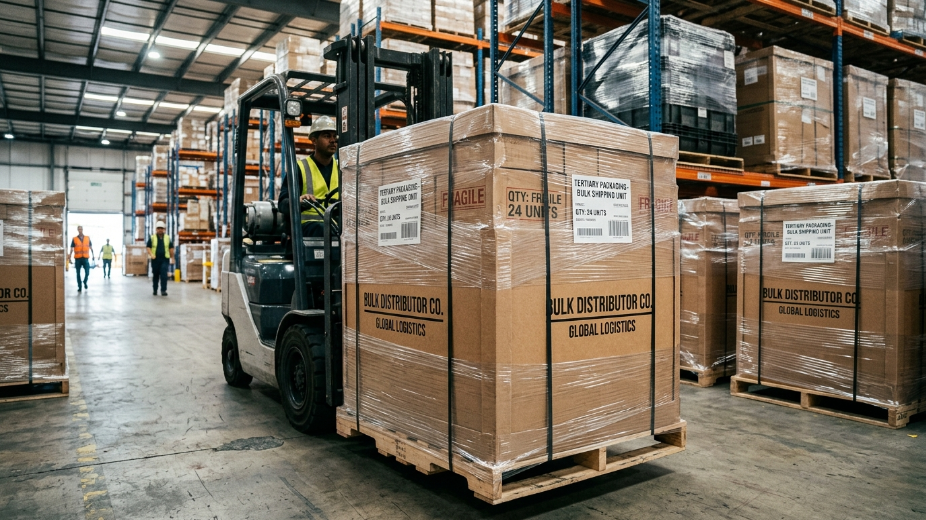
Tertiary Packaging
Tertiary packaging protects multiple units during transport and storage at scale.
Examples
Shipping corrugated cartons
Pallet wrap and stretch film
Wooden crates
Why tertiary packaging matters
Logistics efficiency, stacks safely on pallets and moves through warehouses.
Damage reduction, reduces cost from breakage and returns.
Compliance with carriers, meets size and weight limits.
Actionable tips
Use the right grade corrugated board for weight and stacking strength.
Add void fill, edge protection, and internal padding for fragile items.
Label cartons for handling instructions and regulatory compliance.
Quaternary Packaging
Quaternary packaging supports long-term storage and distribution across supply chains. It often overlaps with tertiary roles but focuses on bulk handling and storage systems.
Examples
Pallets
Intermediate bulk containers
Shipping containers
Why quaternary packaging matters
Volume movement, it optimizes transport of bulk orders.
Storage efficiency, it reduces handling time in warehouses.
Cost savings, it lowers per-unit distribution cost.
Choosing the Right Type for Your Product
Identify product risk factors
Fragility, perishability, moisture sensitivity, tamper risk.
Match packaging to channels
Direct-to-consumer shipping, retail shelves, wholesale pallets.
Balance cost and protection
Select the minimum durable solution that prevents damage.
Factor branding needs
Primary and secondary packaging should align visually.
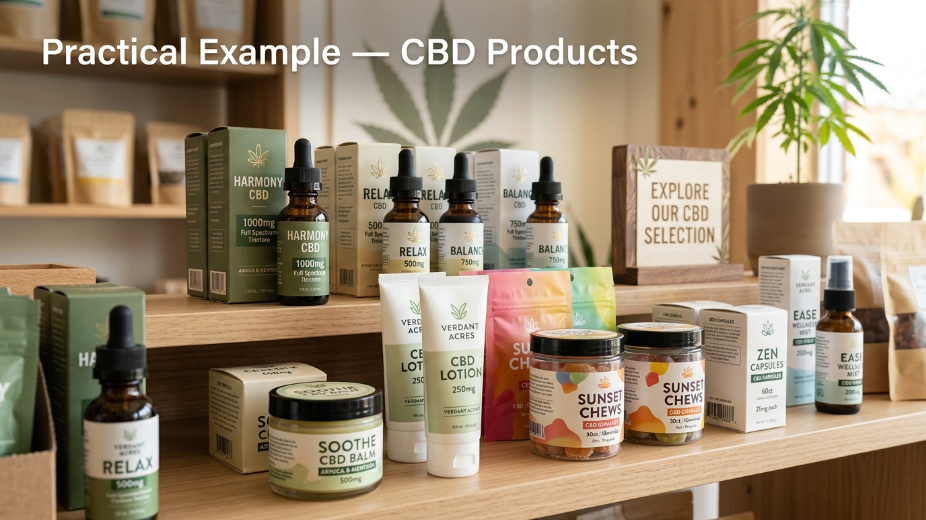
Practical Example: CBD Products
Primary: child-resistant glass dropper bottles or tamper-evident jars.
Secondary: printed folding cartons labeled for CBD boxes in USA from Muse Custom Boxes.
Tertiary: corrugated cartons for shipments to dispensaries or distribution centers.
Quaternary: palletized loads for national distribution.
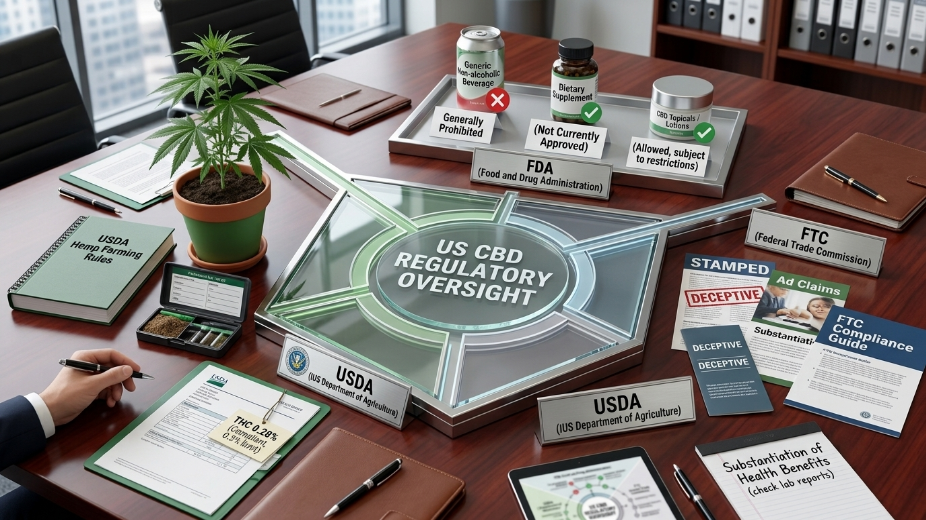
Regulatory and Labeling Considerations for CBD in USA
Include ingredient list, net weight, and manufacturer contact.
Follow state regulations on claims and health statements.
Use child-resistant closures where required.
Keep batch codes and traceability information on every unit.
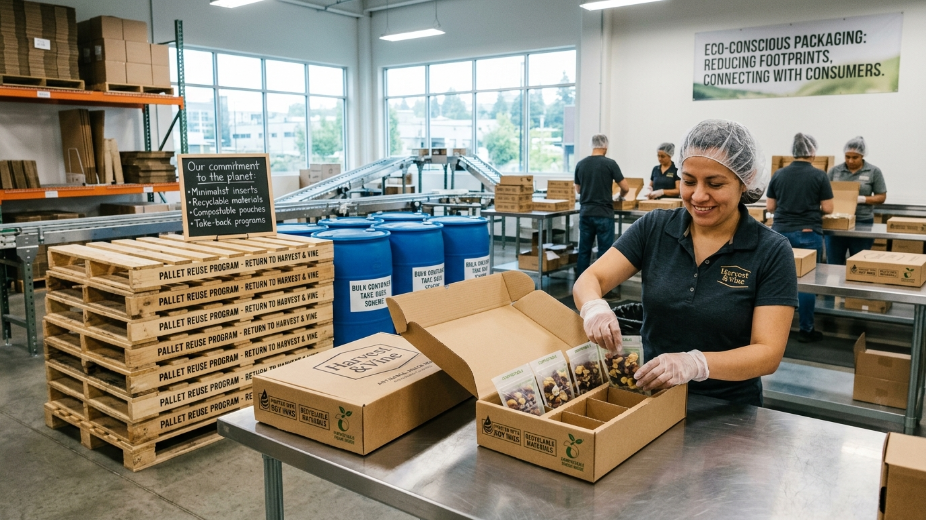
Design and Sustainability Tips
Reduce material where safe, use minimalist inserts instead of full padding.
Choose recyclable materials and print with soy or water-based inks.
Offer take-back or reuse programs for pallets and bulk containers.
Consider compostable pouches for certain product lines. Brands that switch to eco-conscious custom food packaging boxes not only reduce their carbon footprint but also connect better with today’s environmentally aware consumers.
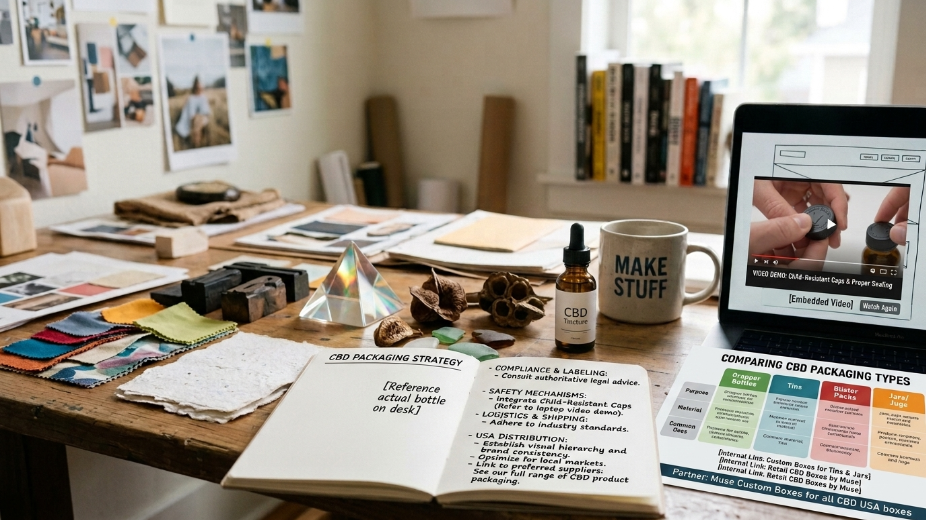
Visual Elements and Content Recommendations
Include product shots of primary packaging with alt tags: example, “Glass dropper bottle for CBD oil.”
Add an infographic comparing the 4 types of packaging by purpose and common use.
Embed a short video demonstrating child-resistant caps and proper sealing methods.
Use internal links to Muse Custom Boxes product pages for CBD boxes in USA.
Link externally to authoritative sources, for example FDA guidance on labeling, and to logistics standards for packaging.

Related posts

Navigating the Legality of Shipping CBD Flowers
Is It Legal to Ship CBD Flowers? A Complete Guide to Compliance and Safe Delivery
The market for CBD products continues to grow. Man...

Is it legal to bring CBD into the USA?
Is It Legal to Bring CBD Into the USA? What Travelers and Sellers Must Know
Is it legal to bring CBD into the USA? This article answ...
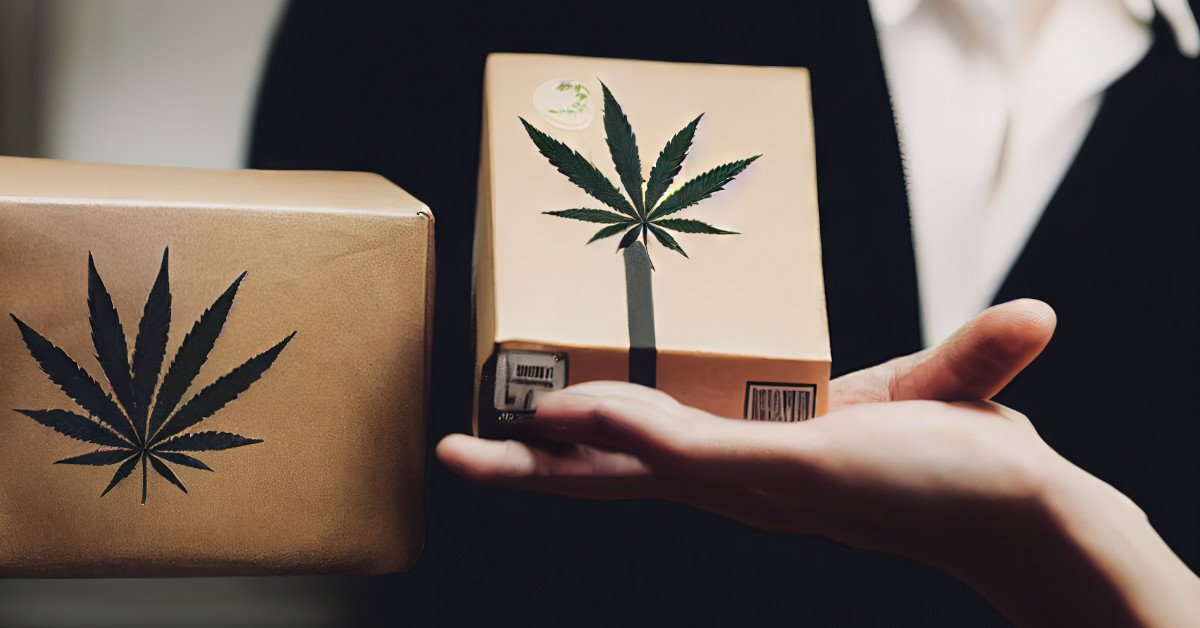
What are CBD products in the USA?
Introduction
What are CBD products in the USA, and why should you know the differences before buying? Many shoppers face unclear lab...