Introduction
What are CBD products in the USA, and why should you know the differences before buying? Many shoppers face unclear labels, mixed regulations, and quality gaps. This article explains CBD products, how they work, legal status, testing standards, packaging needs, and practical tips to choose safe options. Muse Custom Boxes appears as a resource for CBD boxes in USA, focusing on compliant, informative packaging.
What is CBD
CBD stands for cannabidiol. It comes from hemp plants. CBD does not produce a euphoric high. People use CBD for symptom relief such as pain, sleep issues, and anxiety symptoms. CBD appears in many product forms, each with different absorption and dosing.
Types of CBD products
Oils and tinctures
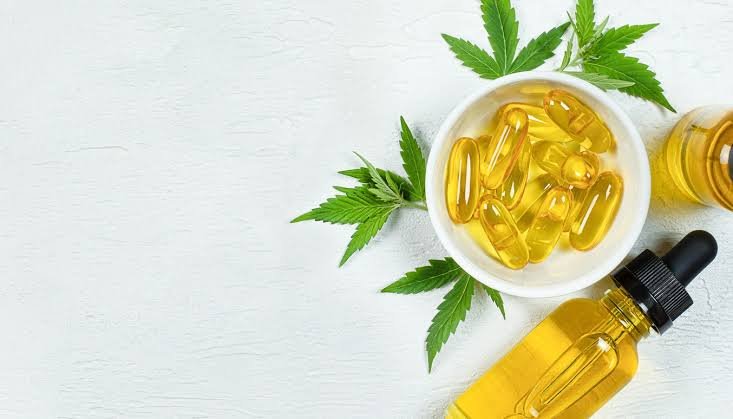
Liquid extracts taken sublingually.
Offer flexible dosing.
Often labeled with total milligrams of CBD.
Edibles
Gummies, chocolates, beverages.
Absorbed through digestion, slower onset.
Dose per serving should be clear on label.
Capsules and pills
Standardized dosing.
Useful for daily routines.
Topicals
Creams, balms, patches.
Applied to skin for localized relief.
Minimal systemic absorption.
Vapes
Inhaled as aerosol.
Fastest onset.
Greater safety and regulatory concerns.
Isolates and concentrates
Pure CBD powder or highly concentrated extracts.
Used for precise formulations.
How CBD works
CBD interacts with the endocannabinoid system, a network that helps regulate mood, pain, inflammation, and sleep. CBD influences receptors and signaling molecules. Effects vary by dose, product type, and individual factors such as weight and metabolism.
Legal status in the USA
Federal law permits hemp-derived CBD with less than 0.3% THC per dry weight.
State laws differ widely. Several states restrict forms, sales channels, or marketing claims.
FDA has not approved CBD for most uses, except a prescription drug for certain seizure disorders.
Avoid products that claim to diagnose, treat, prevent, or cure diseases. Such claims are illegal and unsafe.
For up-to-date rules, consult state regulators and the FDA website for guidance on labeling and claims.
Quality markers to look for
Third-party lab testing
Look for Certificates of Analysis, COAs, from independent labs.
COAs should show cannabinoid levels, THC content, and contaminants such as heavy metals, pesticides, and residual solvents.
Clear labeling
Total CBD per package and per serving.
List of ingredients, extraction method, batch number, and manufacturer contact.
Transparent sourcing
Hemp origin, cultivation practices, and extraction technique matter.
CO2 extraction typically yields cleaner extracts than solvent methods.
Full-spectrum versus broad-spectrum versus isolate
Full-spectrum contains cannabinoids and trace THC, offering a combined effect.
Broad-spectrum removes THC while retaining other cannabinoids.
Isolate is pure CBD.
Testing and safety issues
Ask for lab reports that match the product batch number.
Verify methods used by the testing lab. Accredited labs reduce risk of false results.
Watch for contaminants, mislabeled potency, and undisclosed additives.
Consider potential drug interactions, especially with prescription medications. Consult a healthcare professional before use.
Packaging and labeling best practices
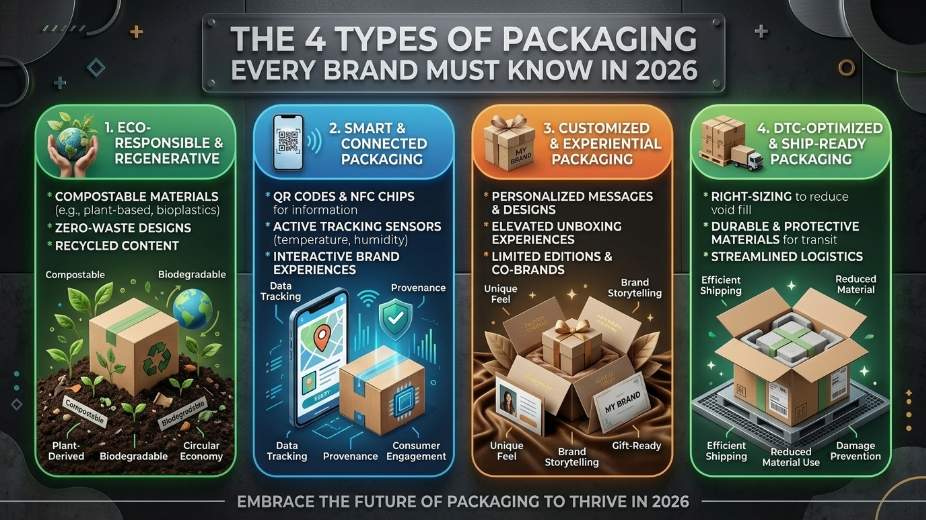
Packaging affects safety, shelf life, and consumer trust. For brands and retailers, use packaging that protects product integrity and communicates compliance.
Key packaging features
Tamper-evident seals.
Child-resistant closures for products that pose ingestion risks.
Opaque materials for light-sensitive formulations.
Clear, compliant labeling with cannabinoid content, serving size, batch number, and COA link or QR code.
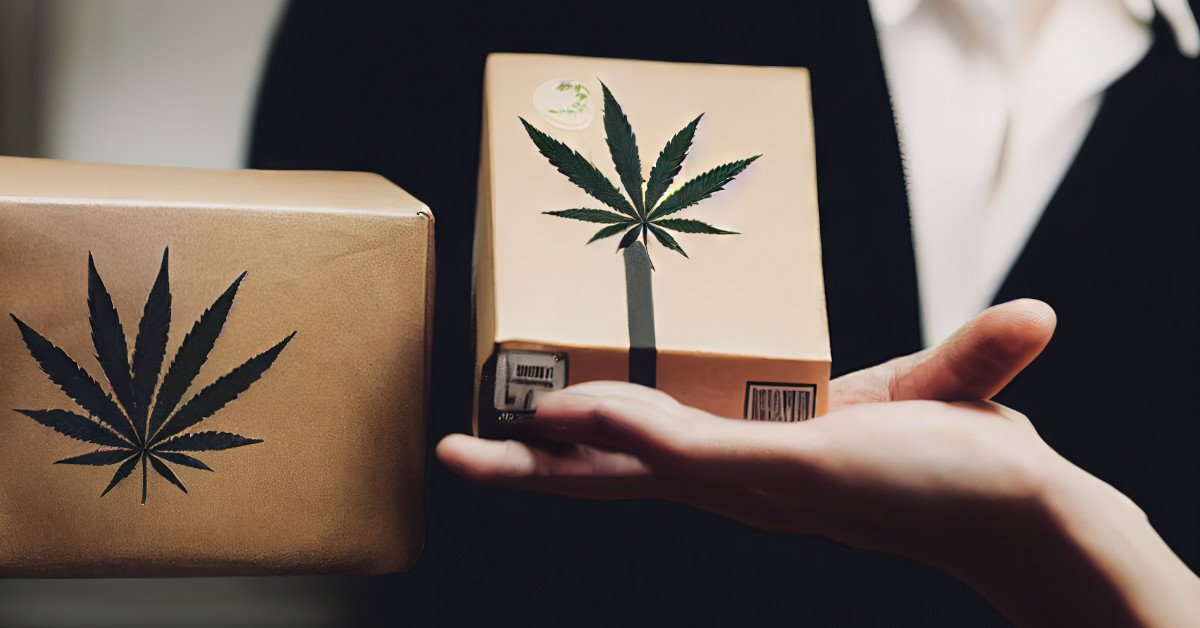
Muse Custom Boxes offers solutions designed for CBD boxes in USA, tailored to regulatory requirements and brand clarity. Well-designed boxes help display COA access and educational details on the package, improving consumer confidence.
Practical buying tips
Verify COAs before purchase.
Prefer products that list exact CBD milligrams per dose.
Start with a low dose and track effects for several days.
Avoid products with medical claims.
Choose reputable brands with clear customer support and return policies.